
Conquer Behavioral Challenges in Dogs with Effective Behavioral Dog Improvement
- Carolina LaFurno

- Feb 2
- 3 min read
Dogs are wonderful companions, but sometimes their behavior can be challenging. Whether it’s excessive barking, chewing, or aggression, these issues can strain the bond between you and your furry friend. The good news is that with the right approach, you can conquer behavioral challenges in dogs and enjoy a happier, healthier relationship. This article will guide you through practical steps and insights to help you achieve lasting behavioral dog improvement.
Understanding Behavioral Dog Improvement
Behavioral dog improvement is about more than just stopping unwanted actions. It involves understanding why your dog behaves a certain way and addressing the root causes. Dogs communicate through their behavior, and sometimes what seems like misbehavior is actually a sign of stress, fear, or unmet needs.
To start improving your dog’s behavior, observe their daily routine and environment. Are they getting enough exercise? Do they have mental stimulation? Are there triggers that cause anxiety or excitement? By answering these questions, you can tailor your approach to fit your dog’s unique personality and needs.
Practical Tips for Behavioral Dog Improvement
Create a consistent routine: Dogs thrive on predictability. Feeding, walking, and playtime should happen at roughly the same times each day.
Provide plenty of exercise: Physical activity helps reduce excess energy that can lead to destructive behavior.
Use positive reinforcement: Reward good behavior with treats, praise, or playtime to encourage repetition.
Set clear boundaries: Teach commands like “sit,” “stay,” and “leave it” to help your dog understand expectations.
Avoid punishment: Harsh corrections can increase fear and aggression, making problems worse.

Common Behavioral Challenges and How to Address Them
Many dog owners face similar behavioral issues. Here are some common challenges and actionable solutions:
Excessive Barking
Dogs bark to communicate, but constant barking can be disruptive. Identify the cause - boredom, fear, or attention-seeking - and address it accordingly.
Provide toys and puzzles to keep your dog occupied.
Teach the “quiet” command and reward silence.
Avoid yelling, which can escalate barking.
Chewing and Destructive Behavior
Chewing is natural, especially for puppies, but it can damage your belongings.
Offer appropriate chew toys.
Keep valuables out of reach.
Use deterrent sprays on furniture.
Increase exercise and mental stimulation.
Aggression and Fearfulness
Aggression can stem from fear, territorial instincts, or lack of socialization.
Socialize your dog gradually with other dogs and people.
Avoid situations that trigger aggression until your dog is ready.
Consult a professional trainer for severe cases.
Separation Anxiety
Dogs with separation anxiety may bark, chew, or have accidents when left alone.
Practice short departures and gradually increase time apart.
Provide comfort items like a favorite toy or blanket.
Use calming aids or consult a vet if needed.
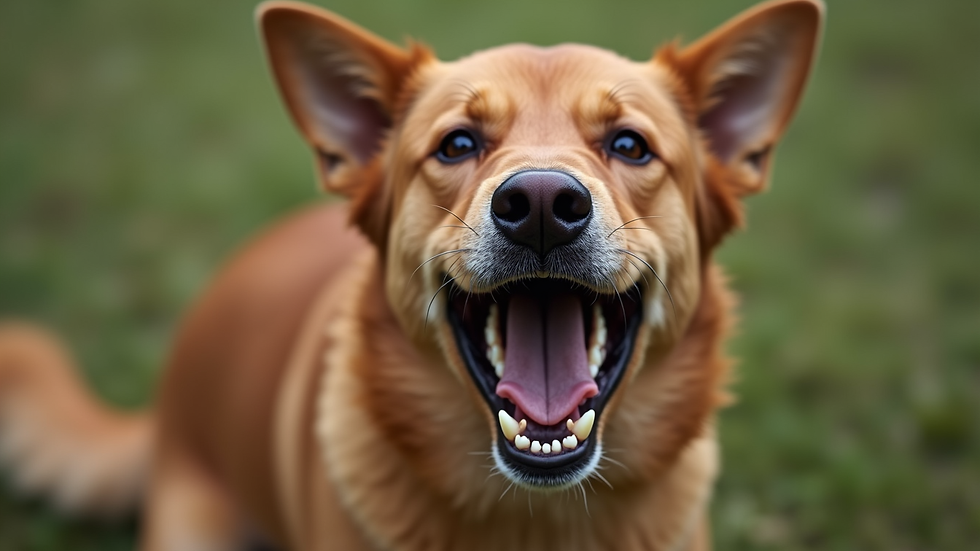
What is a Red Flag Dog's Behavior?
Recognizing red flag behaviors early can prevent serious problems. These behaviors indicate that your dog may be stressed, fearful, or potentially dangerous.
Growling or snarling: A clear warning sign that your dog feels threatened.
Snapping or biting: Immediate attention is needed to prevent injury.
Excessive fear or avoidance: Can lead to unpredictable reactions.
Destructive behavior linked to anxiety: Such as self-harm or obsessive chewing.
If you notice these signs, it’s important to act quickly. Avoid punishing your dog, as this can worsen the behavior. Instead, seek guidance from a professional who specializes in behavioral dog improvement.
How Behavioral Dog Training Can Help
One of the most effective ways to conquer behavioral challenges is through behavioral dog training. This specialized training focuses on modifying unwanted behaviors by understanding the dog’s psychology and using positive reinforcement techniques.
Behavioral dog training can help with:
Reducing aggression and fear
Managing anxiety and stress
Improving obedience and social skills
Building a stronger bond between you and your dog
Working with a qualified trainer ensures that your dog receives personalized care and that you learn the best ways to support your dog’s progress at home.
Steps to Maintain Long-Term Behavioral Dog Improvement
Behavioral improvement is an ongoing process. Here are some strategies to maintain positive changes:
Stay consistent: Keep training sessions regular and maintain routines.
Monitor progress: Keep a journal of your dog’s behavior to track improvements or setbacks.
Adjust as needed: Be flexible and willing to try new techniques if something isn’t working.
Keep your dog engaged: Regular exercise, play, and mental challenges prevent boredom.
Celebrate successes: Reward your dog and yourself for milestones reached.
By committing to these steps, you create a supportive environment where your dog can thrive.
Embrace the Journey of Behavioral Dog Improvement
Improving your dog’s behavior takes patience, understanding, and dedication. Every dog is unique, and what works for one may not work for another. Remember to approach challenges with empathy and a willingness to learn.
With the right tools and mindset, you can conquer behavioral challenges in dogs and enjoy a fulfilling relationship with your loyal companion. Start today by observing your dog, seeking professional help if needed, and implementing consistent, positive strategies for lasting behavioral dog improvement.


Comments